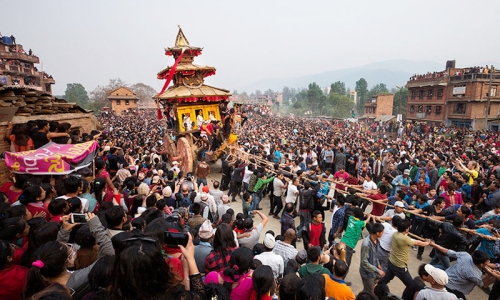


The journey to discover sacred lands always brings profound experiences, awakening the soul and nurturing beautiful values. However, to make the trip more complete and to show reverence for these holy sites, choosing appropriate attire is extremely important. This article will guide you through detailed notes on clothing to help you best prepare for your spiritual journey.
The Importance of Attire When Visiting Holy Lands
Holy lands, whether ancient temples, religious sanctuaries, or sacred historical sites, possess an atmosphere of solemnity and purity. These are places where people seek to pray, worship, find inner peace, and connect with deep spiritual values. The attire we wear when visiting these places not only reflects our appearance but also signifies respect, a reverent attitude, and integration with the sacred space.
Dressing appropriately is not just a matter of cultural etiquette but also contributes to the overall harmony and grace of the surroundings. Modest and neat clothing will help you feel a stronger spiritual connection, avoid causing distractions or disrespect to those around you and to the place itself. It also demonstrates understanding and respect for the local beliefs and culture.
General Principles for Attire at Spiritual Sites
When preparing for a trip to holy lands, adhering to general dress code principles will help you avoid confusion and ensure a smooth, meaningful experience.
Modesty and Respect
The most important principle when choosing attire for spiritual sites is modesty. This means avoiding overly short or revealing clothing such as mini-skirts, shorts, spaghetti straps, low-cut tops, or sheer fabrics. Instead, prioritize garments that cover the shoulders, chest, and knees. Long pants, skirts that fall below the knee, and sleeved tops are safe and appropriate choices.
This modesty demonstrates respect for the sacred space, for deities and ancestors, and for those practicing their faith. It helps create a solemn and serene atmosphere, preventing unnecessary attention or discomfort to others.
Attire Colors
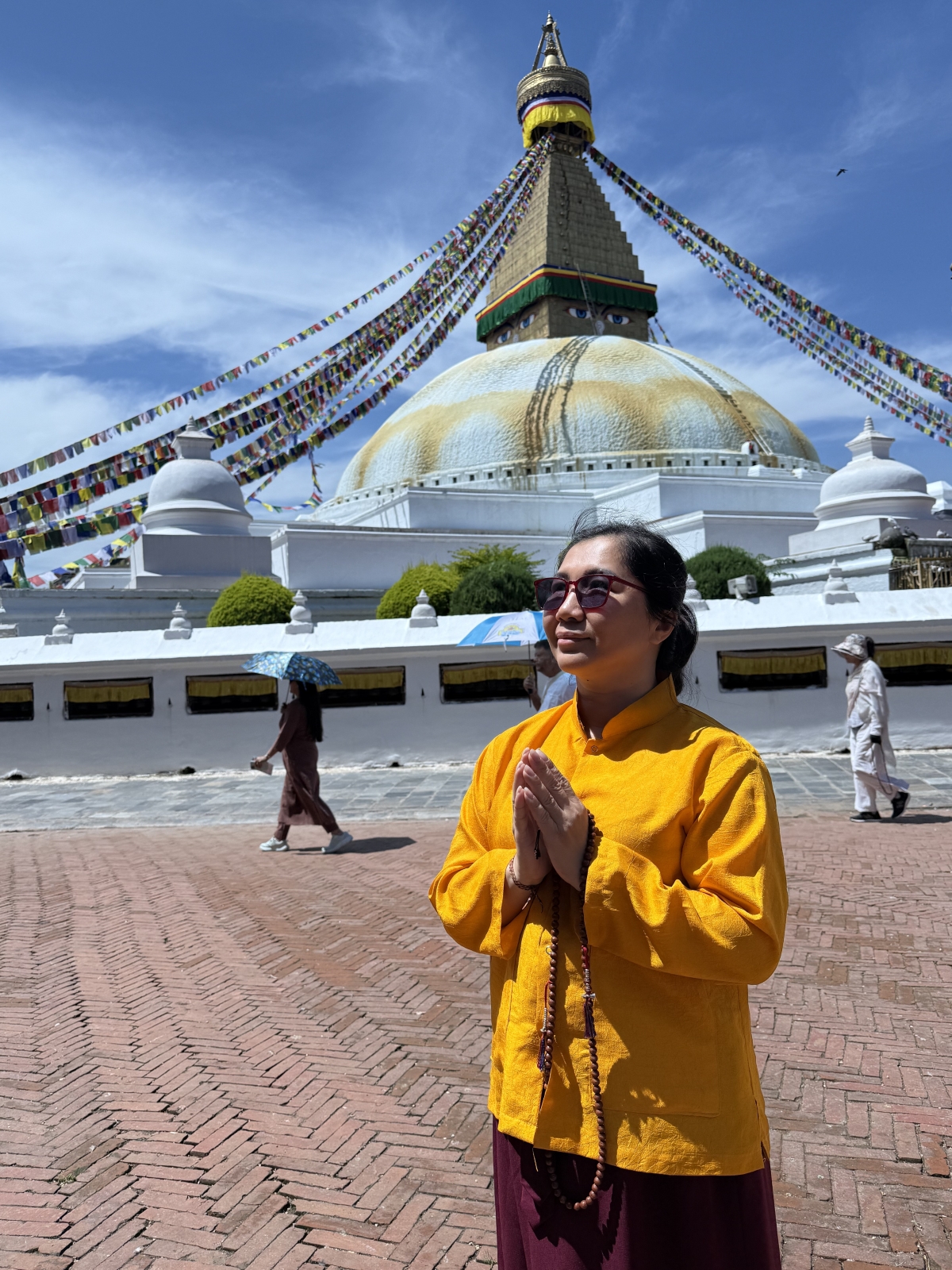
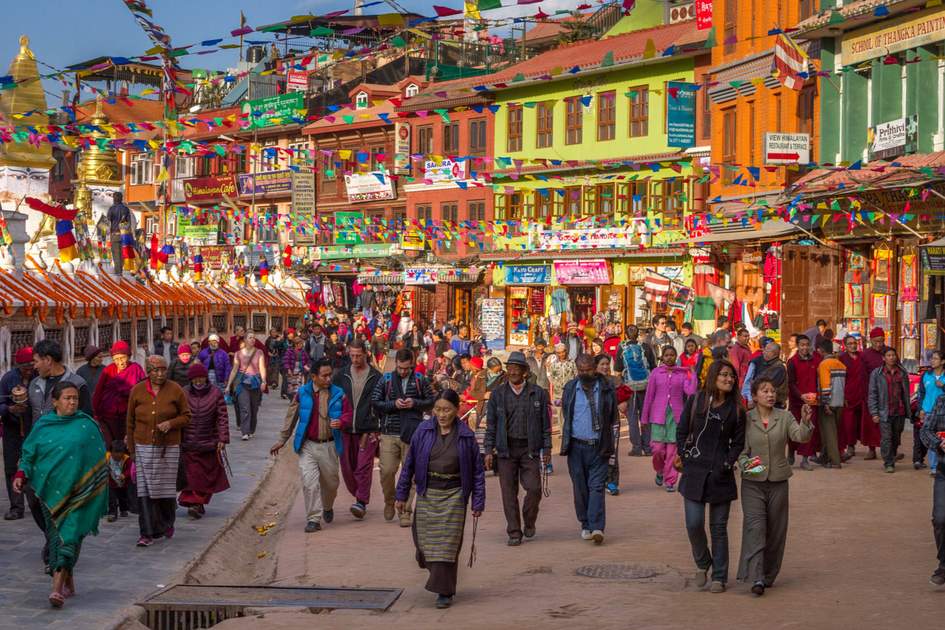
The color of your attire also plays a role in conveying your attitude. Generally, neutral, soft, and elegant colors are preferred. White, cream, beige, light blue, grey, and brown are common choices, offering a sense of purity and sophistication. Yellow is often associated with Buddhism, symbolizing enlightenment and solemnity.
It is advisable to avoid overly bright or gaudy colors like vibrant red or orange, or overly elaborate and offensive patterns. Such colors can detract from the solemnity of the space and may sometimes be considered disrespectful. However, this rule can vary depending on the specific location and its cultural traditions. Some festivals or special ceremonies may require specific colors, so prior research is essential.
Fabric Materials
Fabric materials should also be considered to ensure comfort and appropriateness. Breathable, moisture-wicking fabrics such as cotton, linen, and silk are ideal, especially if you will be doing a lot of walking or visiting regions with hot and humid climates. Soft, non-restrictive fabrics will help you feel comfortable throughout your visit and worship.
Avoid overly shiny, ostentatious, or thick materials that can be uncomfortable and cause overheating. Comfortable clothing will help you focus more on the spiritual experience without being distracted by physical discomfort.
Accessories
Accessories should also be chosen with subtlety. Avoid excessively large, flashy, or noisy jewelry. A light scarf can be a useful accessory, providing warmth when needed and also serving to cover up when entering areas that require more modest attire.
Footwear should be comfortable, easy to walk in, and easy to slip on and off, as is often required when entering temples or sanctuaries. Sneakers, flat shoes, and flat sandals are popular choices. Avoid high heels or overly bulky shoes.
Specific Notes for Different Types of Spiritual Sites
Each holy land may have its own specific rules and customs regarding attire. Researching in advance will help you prepare best.
Temples and Monasteries
At temples and monasteries, solemnity and purity are paramount. The general rule is to dress modestly and respectfully. Wear long pants or skirts below the knee, and tops with sleeves that cover the shoulders. Attire colors should be subdued, avoiding bright colors.
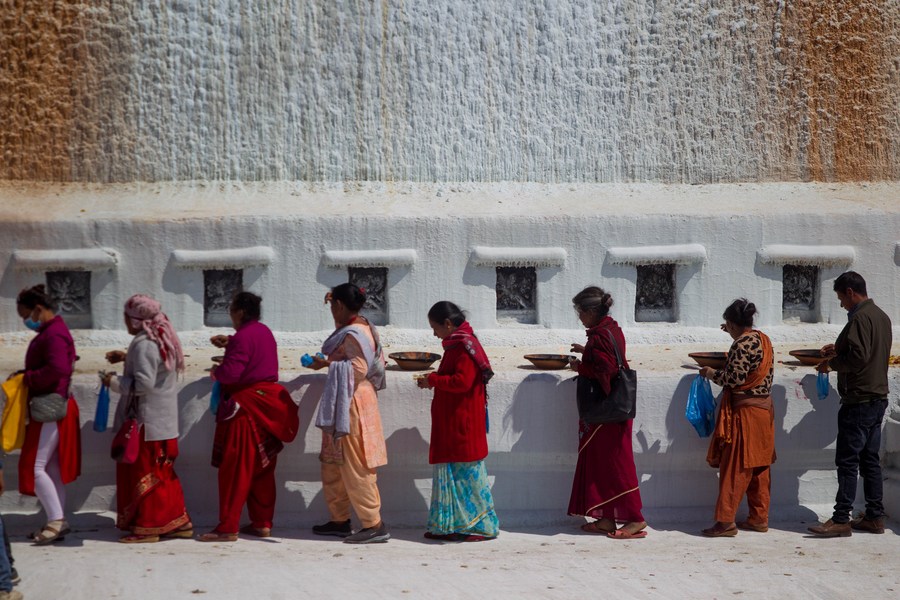
Some places may have specific rules about removing shoes before entering the main hall or worship areas. Be prepared with easy-to-remove footwear or wear socks for hygiene.
If you are participating in retreats or meditation sessions, the dress code will likely be more specific, often requiring simple, comfortable attire like robes.
Churches and Religious Sanctuaries
At Catholic churches, mosques, synagogues, or other religious sanctuaries, dress code rules are also very important. Generally, attire should be modest, covering shoulders and knees. Women may be required to cover their heads when entering some mosques or temples.
Avoid tight or revealing clothing. In some cases, overly short attire may not be permitted inside. Always observe how locals or devout individuals dress to make appropriate adjustments.
Historical Sites and Ancient Temples
Historical sites, ancient temples, mausoleums, etc., while not purely religious sites, still carry a sense of sanctity and historical importance. Therefore, dressing respectfully and appropriately remains essential. Avoid overly casual or sloppy attire.
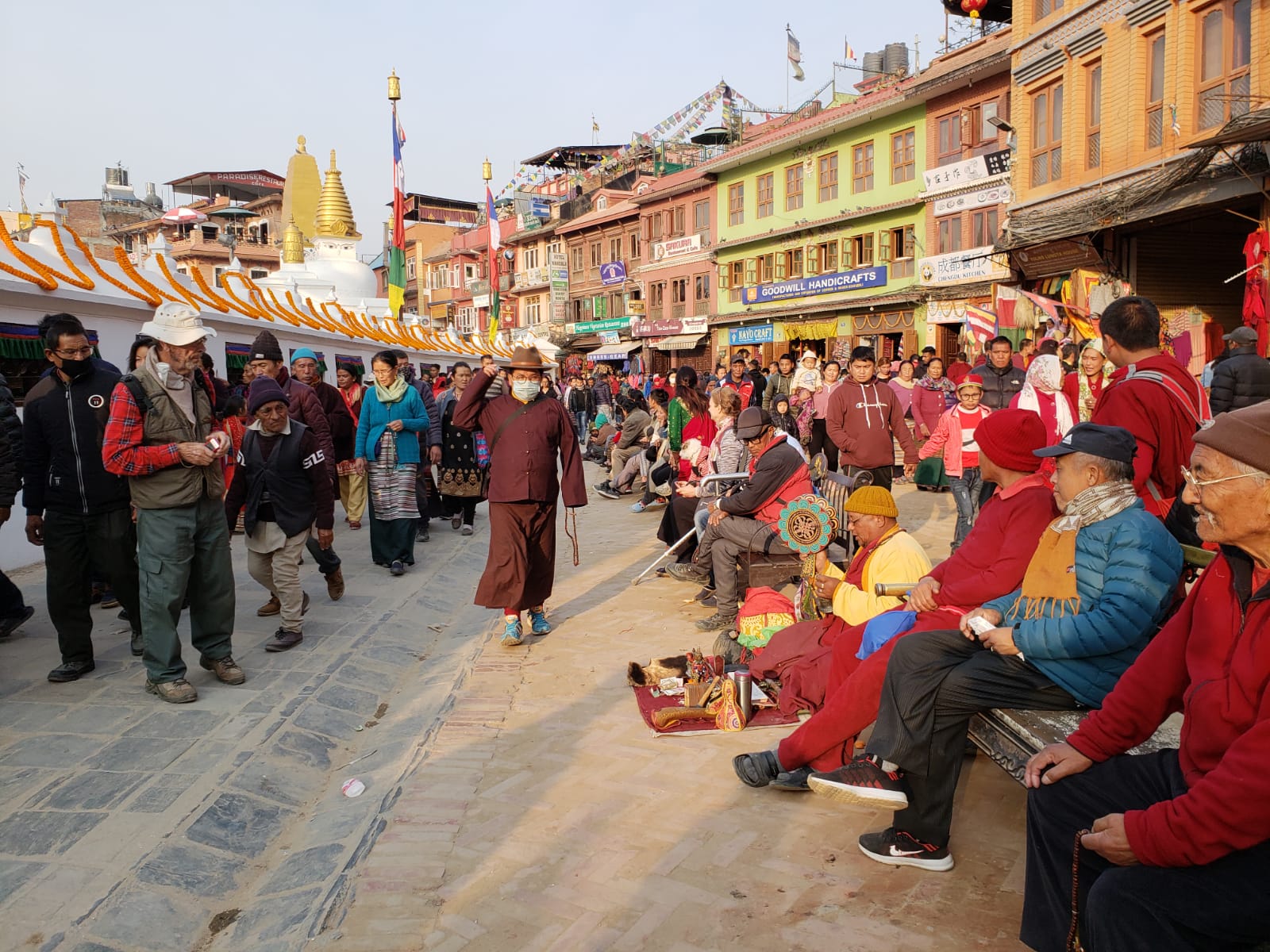
Imagine visiting a precious museum; you would want to dress neatly and tidily. For historical sites, this is even more important as it shows appreciation for the historical and cultural values that the place represents.
Spiritual Sites Abroad
When traveling abroad, each country and culture has its own regulations for attire at spiritual sites. For example, in some Asian countries, removing shoes before entering temples is mandatory. In India, traditional attire like saris and salwar kameez is often preferred. In mosques, modest clothing and headscarves for women are important regulations.
Before each trip, take time to thoroughly research the culture and dress code regulations of the spiritual destinations you plan to visit. Travel websites, forums, or advice from reputable travel agencies like Dzogchen Travel will provide you with the most accurate information.
Tips for "Versatile" Attire
To ensure your trip is both comfortable and meets dress code requirements at various destinations, consider packing a few "versatile" items:
Large Scarf/Pashmina
A large scarf made of soft material in a neutral color is an extremely useful accessory. You can use it to:
- Cover your shoulders and arms when needed.
- Drape over your head when entering mosques or more formal sites.
- Keep warm in cooler weather.
- Add a touch of style to your outfit.
Comfortable Long Pants
Opt for wide-leg trousers, culottes, khakis, or linen pants. They are both respectable and offer a breathable, comfortable feel. Avoid overly tight jeans or shorts.
Collared Shirt or Round-Neck T-shirt
A long-sleeved shirt or a round-neck t-shirt is an excellent choice. You can wear it alone or layer it under a sleeveless top if you wish to change your style, while still ensuring modesty. Breathable cotton is the top priority.
Maxi Dress or Midi/Maxi Skirt
A dress that falls below the knee or a maxi skirt is an elegant and modest option. You can pair it with a t-shirt or a shirt to create an outfit that is both stylish and suitable for various occasions.
Flats or Loafers
Bring a pair of comfortable flats, loafers, or sandals. They facilitate easy movement, especially when you need to walk a lot or frequently take them on and off.
What to Absolutely Avoid
In addition to recommendations for suitable attire, there are certain things you should absolutely avoid when visiting holy lands:
Revealing Clothing
As mentioned, overly short skirts, shorts, cut-out tops, spaghetti straps, crop tops, sheer clothing, swimwear, etc., are completely inappropriate and may result in being denied entry to sacred areas.

Clothing with Offensive Messages
Absolutely avoid t-shirts, clothing with prints of images, symbols, or messages that are sensitive, blasphemous, provocative, or related to unhealthy activities. This shows the minimum respect for others' beliefs and cultures.
Overly Elaborate or Gaudy Attire
Clothing with excessive details, sparkly embellishments, or overly bright colors can be distracting and lack solemnity. Prioritize simplicity and elegance.
Athletic Wear
Unless you are participating in a specific sporting event, gym clothes or athletic wear are generally not suitable for visiting spiritual sites.
Integrating Appropriate Attire into Your Spiritual Travel Experience
A spiritual journey is not just a geographical exploration but also an inward journey. Appropriate attire contributes to a deeper connection with this experience.
When you wear neat and modest clothing, you are not only following rules but also cultivating a stable and serene mindset. Focusing on spiritual values becomes easier when you are not preoccupied with whether you are dressed "correctly."
Choosing your attire is also a way to express humility. In a sacred space, simplicity is always valued. It helps you set aside your personal ego and immerse yourself in the collective spiritual flow.
For spiritual and volunteer tours, appropriate attire becomes even more important. It shows respect for the community you are visiting, for the people you are helping, and for the noble purpose of the trip.
Dzogchen Travel Company is always understanding and aims to provide our valued customers with the most complete and meaningful spiritual travel experiences. We not only offer a diverse range of domestic and international tours but also focus on providing detailed advice on all aspects of the trip, including attire. Whether you need flight tickets, hotel bookings, car rental services, or even event organization, we can assist you professionally.
Conclusion
Choosing attire when visiting holy lands is not just a matter of etiquette but also a way to express respect, reverence, and integration into the sacred space. By adhering to principles of modesty and decorum, you will not only have a deeper personal experience but also contribute to preserving the solemnity of these places.
Let your spiritual journey be more complete and meaningful, starting with the simple act of choosing appropriate attire. Dzogchen Travel is always ready to accompany you on every path of discovery.
CONTACT INFORMATION
Dzogchen Travel Co., Ltd.
Address: 151-153 Phu Tho Hoa Street, Phu Tho Hoa Ward, Ho Chi Minh City
Hotline: 0833939768
Phone: 0833939768
Email: xuan@dzogchentravel.com
Website: dzogchentravel.com