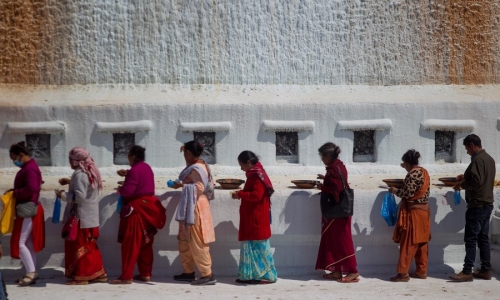


The journey to explore the sacred lands of India and Nepal is not just a trip, but a deep dive into the inner world, where spirituality and culture intertwine, shaping the unique identity of the people and the land. For a complete and meaningful experience, understanding the indigenous culture, customs, and characteristics of these two countries is paramount. This article will guide you through fascinating cultural aspects, helping you prepare best for your upcoming spiritual adventure.
Exploring India: The Cradle of Civilizations
India, a nation diverse in culture, religion, and language, always offers travelers colorful and profound experiences. From ancient temples dating back thousands of years to vibrant festivals, from the profound philosophies of Hinduism to the serenity of Buddhism, India is an ideal destination for those seeking spiritual connection and cultural depth.
1. Religion and Spirituality: Way of Life and Beliefs
Religion plays a central role in the spiritual life of Indians. Hinduism is the majority religion, with a rich belief system encompassing deities, philosophies of karma, reincarnation, and liberation. Rituals, temples, and festivals are clear manifestations of this spiritual life.
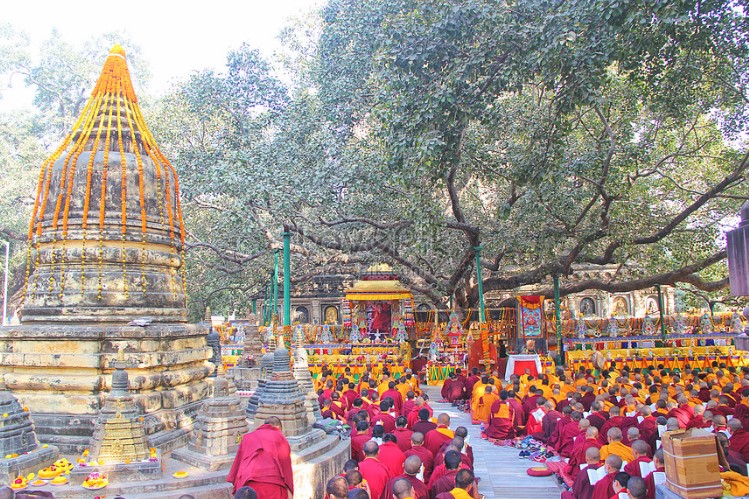
Besides Hinduism, India is also the birthplace of Buddhism, a religion that has spread across Asia and the world. Famous pilgrimage sites like Bodh Gaya (where the Buddha attained enlightenment) or Sarnath are unmissable destinations for travelers seeking peace and understanding of Buddhist teachings.
Sikhism, Jainism, and Islam are also significant religious communities in India, contributing to the country's vibrant cultural tapestry. When in India, you will easily witness daily religious ceremonies, from prayer services in temples and mosques to major religious festivals.
2. Customs and Etiquette: Things to Note
When visiting religious sites, dressing modestly and respectfully is mandatory. You must remove your shoes before entering temples or private homes. Observe how locals perform rituals to avoid committing taboos.
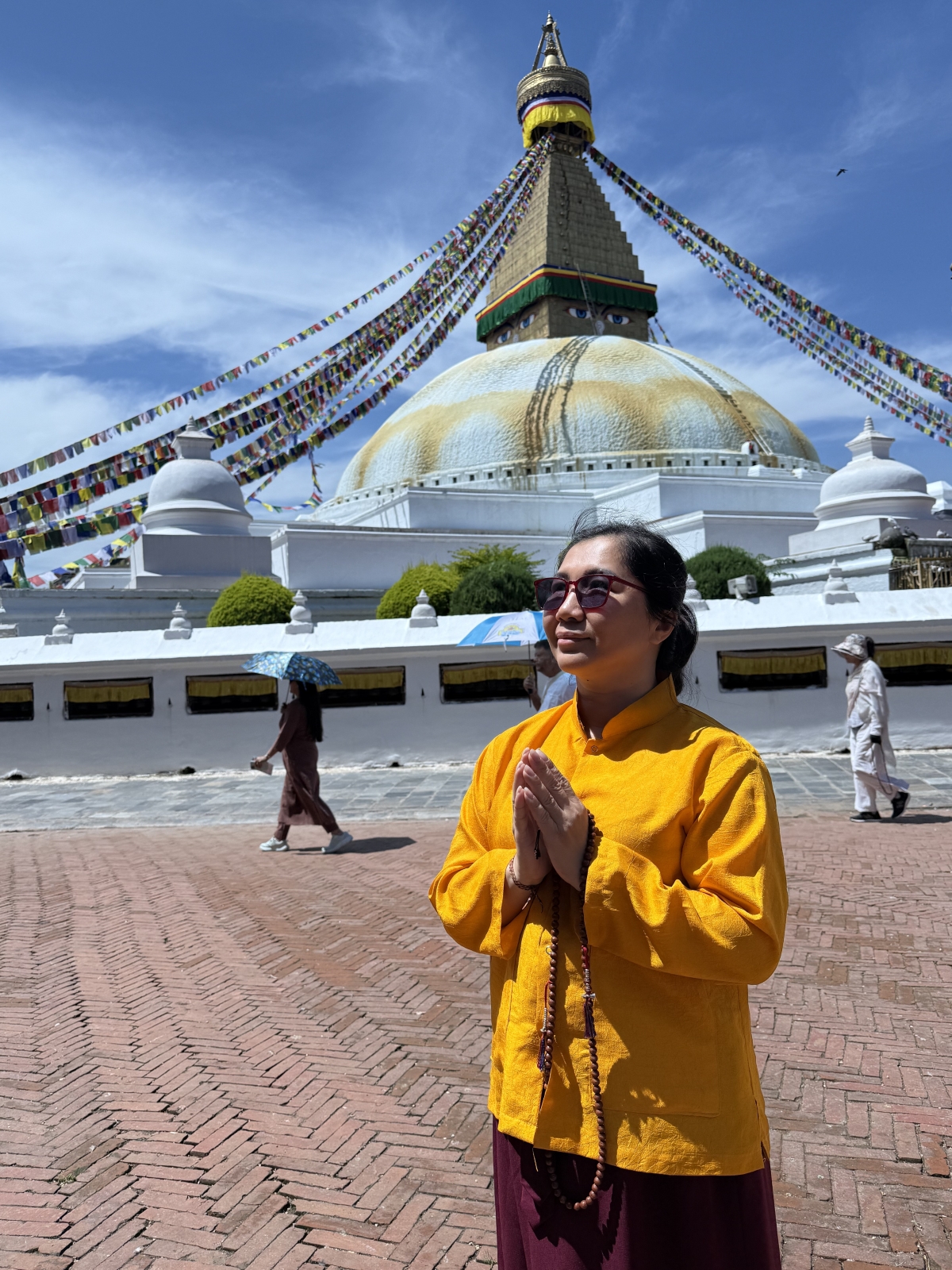
In communication, Indians often shake hands or join their palms together in front of their chest (the greeting gesture "Namaste") to show respect. However, with women, you should wait for them to extend their hand first before shaking. Using the left hand for eating, giving, or receiving items is considered impolite.
The concept of 'queuing' in India may differ from many countries. Travelers need to remain patient and flexible in crowded situations.
3. Cuisine: Diverse and Rich Flavors
Indian cuisine is world-renowned for its exquisite blend of spices, offering dishes rich in flavor. Popular dishes like Curry, Biryani, Naan, and Roti consistently captivate travelers' palates.
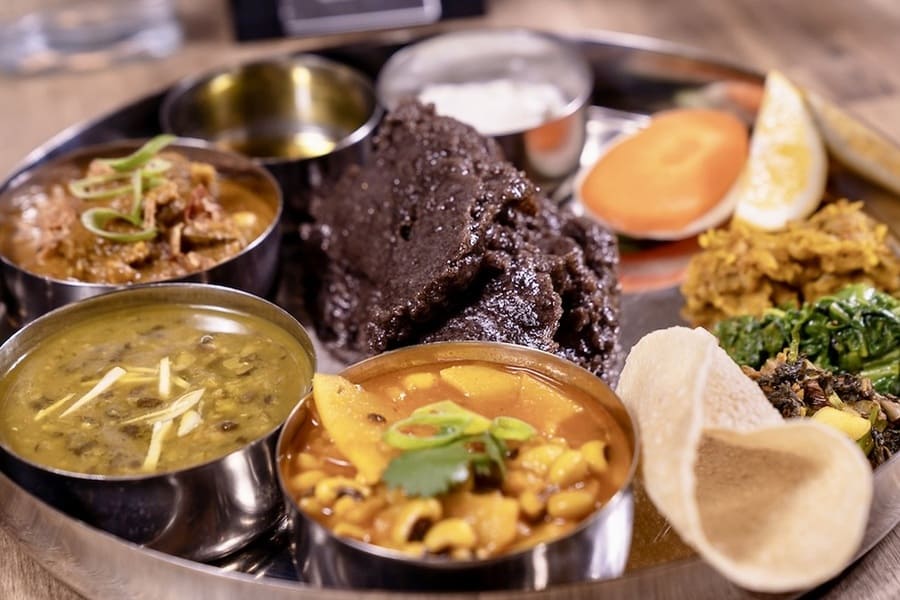
Due to religious influences, many Indians follow a vegetarian diet. Vegetarian dishes in India are diverse and delicious; you should try them.
When enjoying street food, travelers should choose clean and busy eateries to ensure food safety and hygiene.
4. Festivals: Colorful and Lively
India is the "land of festivals," with hundreds of festivals celebrated year-round, reflecting its cultural and religious diversity. Holi (the festival of colors) in March, and Diwali (the festival of lights) in October or November are major festivals attracting a large number of visitors.

Participating in festivals is a wonderful opportunity for travelers to immerse themselves in the vibrant atmosphere, learn about local culture, and create unforgettable memories.
Exploring Nepal: Land of High Peaks and Sacred Beings
Nepal, the "roof of the world," is home to the majestic Mount Everest and the birthplace of Buddhism. Traveling to Nepal is not just a journey to conquer high mountains but also a quest for spiritual roots, exploring unique cultural aspects and hospitable people.
1. Religion and Spirituality: The Harmony of Hinduism and Buddhism
Nepal is a harmonious blend of Hinduism and Buddhism. Many sacred sites in Nepal are pilgrimage destinations for both communities of believers.
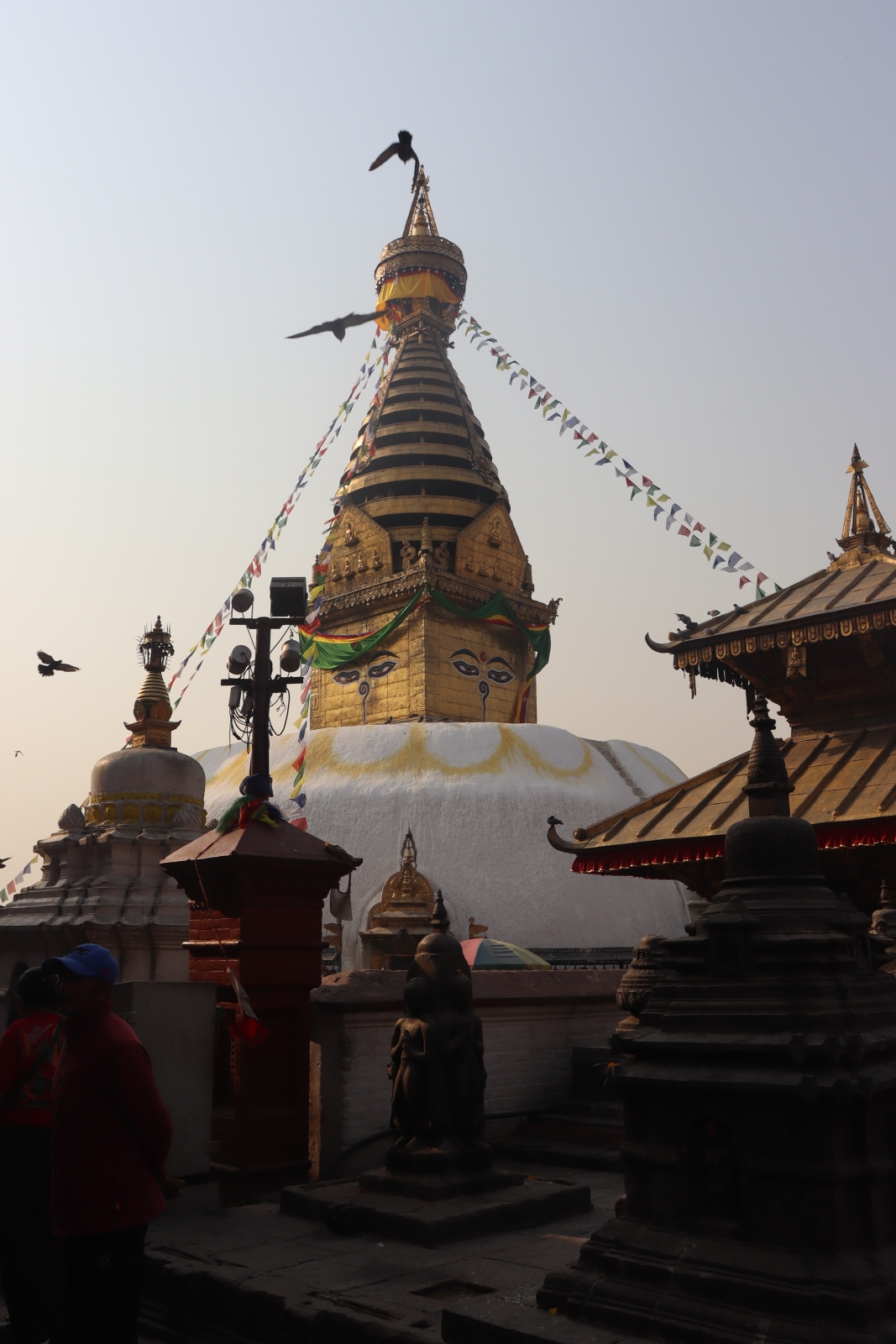
Kathmandu, the capital of Nepal, is a cultural and spiritual hub with many ancient temples such as Pashupatinath Temple (dedicated to Lord Shiva) and the Swayambhunath complex (Monkey Temple). Lumbini, the birthplace of the Buddha, is a significant Buddhist pilgrimage site worldwide.
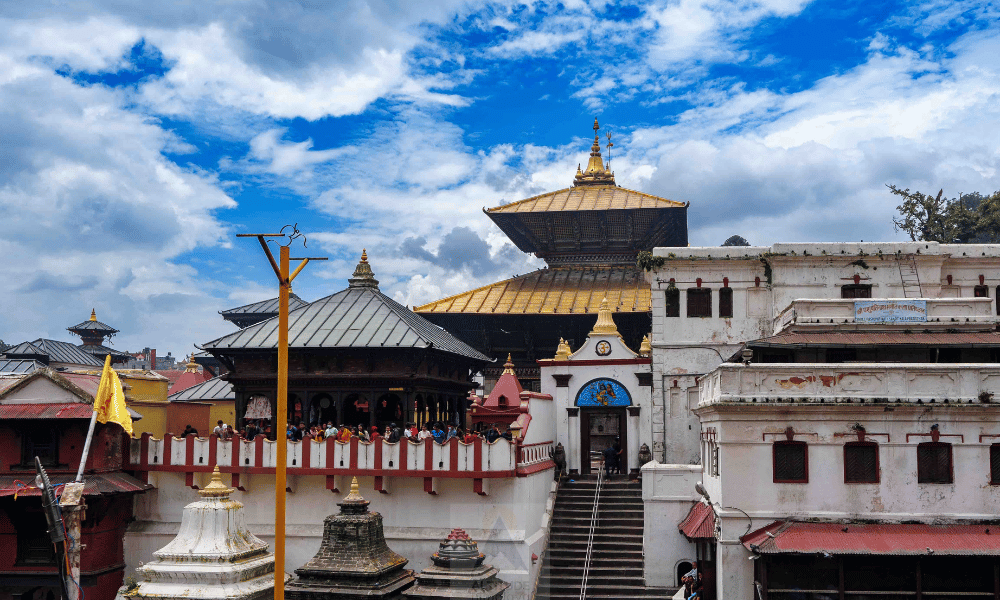
Pashupatinath
Visitors to Nepal will feel the pervasive sense of peace and tranquility, from ancient monasteries on high mountains to sacred rivers.
2. Customs and Etiquette: Respecting Traditions
Similar to India, dressing respectfully and modestly when visiting religious sites is very important in Nepal. Shoes must be removed before entering temples or private homes.
Nepalis have the traditional greeting of "Namaste" (joining palms in front of the chest). They highly value respect and hospitality. Avoid touching others' heads, as the head is considered the most sacred part.
When passing groups of people or religious sites, keep to the right. Women should avoid shaking hands with men unless they initiate it.
3. Cuisine: The Soul of the Mountains
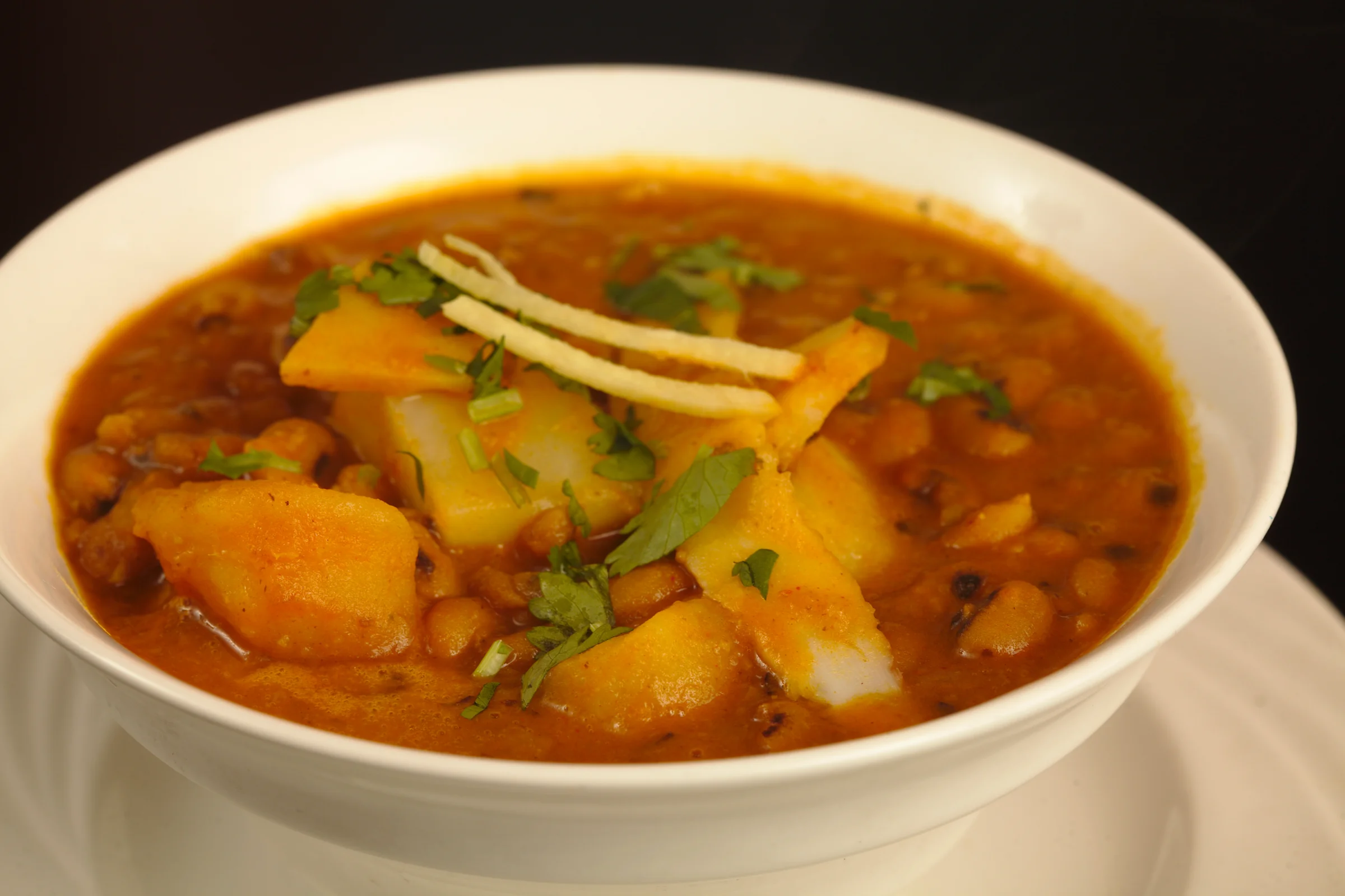
Nepali cuisine is rich with mountain flavors, often using characteristic grains, vegetables, and spices. The national dish is Dal Bhat (lentil soup served with vegetable curry and pickles).
Momo (steamed dumplings) is a very popular and beloved snack. Additionally, you can try other dishes like Thukpa (noodle soup) and Sel Roti (sweet rice bread).
Nepal also offers a wide range of vegetarian options, suitable for many travelers.
4. Trekking and Outdoor Activities: Conquering Nature
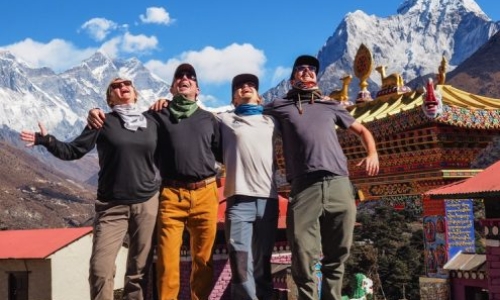
Nepal is a paradise for trekking and nature enthusiasts. Famous trekking routes like the Annapurna Circuit and Everest Base Camp Trek attract millions of visitors annually.
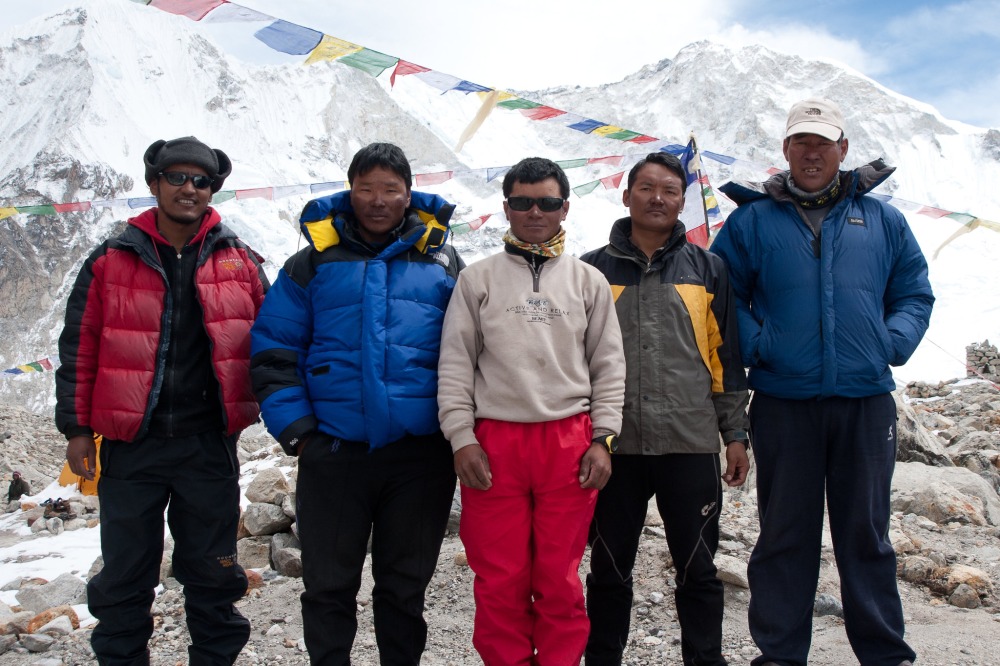
Besides trekking, visitors can engage in activities like skydiving, paragliding, and rafting to experience thrills and admire the majestic beauty of the Himalayas.
Before embarking on trekking activities, travelers should be in good health, wear appropriate clothing, and hire local guides to ensure safety and the best experience.
Tips for Your Spiritual Journey
1. Preparation of Clothing and Personal Items
Bring comfortable, easy-to-move-in clothing. Prioritize moisture-wicking fabrics. For religious sites, modest attire is required (sleeved tops, pants/skirts that cover the knees).
Sunscreen, hats, and sunglasses are essential, especially when visiting Nepal with its high sun intensity.
Comfortable sneakers or trekking shoes will help you move easily on varied terrain.
2. Maintain Health and Safety
Drink plenty of water, preferably bottled or thoroughly filtered water. Avoid drinking tap water directly.
Carry personal medication, especially digestive aids, painkillers, and basic first-aid supplies.
Be cautious with street food; only eat at places that appear clean and are frequented by locals.
3. Learn a Few Basic Phrases
Learning a few basic greetings like "Namaste," "Thank you," and "Excuse me" will help you communicate better and show respect to the local people.
4. Be Open and Receptive
Most importantly, be open to new experiences and different cultures. Don't hesitate to learn, connect, and share with the local people. Your trip will be much more meaningful when you truly immerse yourself in the culture and people of the place.
Spiritual travel to India and Nepal is not just a journey of exploring the external world but also a profound journey into the inner self. With thorough preparation and an open heart, you will have unforgettable experiences, carrying precious lessons and inner peace.
---
Contact Information:
Dzogchen Travel Co., Ltd.
Address: 151-153 Phu Tho Hoa Street, Phu Tho Hoa Ward, HCM City
Hotline: 0833939768
Phone: 0833939768
Email: xuan@dzogchentravel.com
Website: dzogchentravel.com