

Deciding between a self-guided pilgrimage and joining a tour is a significant turning point, profoundly impacting your spiritual experience and personal journey. Each option presents unique benefits and challenges, requiring careful consideration based on your goals, financial capacity, time, and desires. This article will delve into a detailed analysis of both approaches, helping you make the most informed choice for your upcoming pilgrimage.
Self-Guided Pilgrimage: Freedom to Explore and Personal Experience
A self-guided pilgrimage, as the name suggests, is a journey where you plan, arrange, and execute every aspect yourself. From booking flights and accommodation to creating an itinerary and researching the culture and beliefs at your destination, everything is within your control. This choice offers absolute freedom, allowing you to explore at your own pace, stop wherever you feel is meaningful, and dedicate time for deep contemplation.
Advantages of a Self-Guided Pilgrimage:
- Flexibility and Autonomy: You have complete control over the timing, locations, transportation, and activities. This is particularly important for those with special time requirements or who wish to explore lesser-known sites.
- Authentic Experience: By planning and navigating your own journey, you have more opportunities to interact with the local culture, engage with residents, and have genuine experiences, unaffected by a fixed tour program.
- Cost Savings (Potentially): If you are skilled at finding cheap flights, budget-friendly accommodation, and economical travel methods, a self-guided trip can significantly save you money compared to a tour.
- Personal Growth Opportunities: Facing and resolving issues that arise during the trip will help you develop planning skills, problem-solving abilities, adaptability, and self-confidence.

Challenges of a Self-Guided Pilgrimage:
- Time-Consuming and Laborious Preparation: Planning a self-guided pilgrimage requires a significant investment of time and effort for research, information gathering, booking services, and handling procedures.
- Risks Regarding Information and Safety: Lack of experience or incomplete information can lead to errors in booking services, choosing transportation, or even personal security and safety risks at the destination.
- Communication Difficulties: If you are not fluent in the local language, communicating, booking tickets, asking for directions, or resolving unexpected situations can become extremely challenging.
- Unforeseen Expenses: Costs for food, transportation, entrance fees, and souvenirs might exceed your budget if you don't have a proper spending plan.
Guided Tour Pilgrimage: Convenience and Peace of Mind
In contrast to a self-guided journey, a guided tour pilgrimage means everything is already arranged by travel agencies. You simply choose a suitable tour package, make the payment, and get ready to go. Spiritual or volunteer tourism tours typically include flights, accommodation, transportation, detailed itineraries, meals, and sometimes professional guides. Convenience and peace of mind are the standout benefits of this approach.
Advantages of a Guided Tour Pilgrimage:
- Saves Time and Effort: You don't have to worry about planning, booking, finding hotels, or researching the itinerary. Everything is handled by the tour organizer, saving you considerable preparation time and effort.
- Peace of Mind and Safety: Reputable travel agencies usually have years of experience organizing tours, a deep understanding of destinations, local regulations, and culture, and implement safety measures for tourists. An accompanying guide will assist you throughout the journey.
- Comprehensive and Accurate Information: Tour itineraries are often meticulously crafted with important sites, information about attractions, spiritual significance, and accompanying activities.
- Optimized Experience: Tours are typically designed to optimize the experience, ensuring you don't miss prominent destinations and have meaningful activities aligned with the pilgrimage theme.
- Easy Access to Premium Services: Travel companies often have strong relationships with service providers like hotels and airlines, allowing tourists to access quality services at preferential rates.
- Multilingual Support: Professional tour guides are usually proficient in multiple languages, making it easier for you to communicate and gain a deeper understanding of the culture and history.
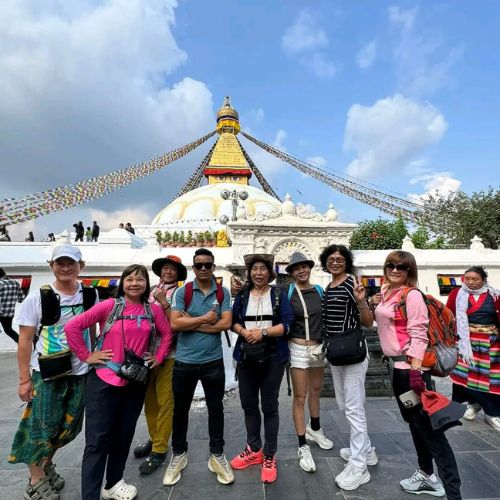
Challenges of a Guided Tour Pilgrimage:
- Lack of Flexibility: You must adhere to the fixed tour schedule, with limited opportunities to make changes or explore off-itinerary.
- Potentially Higher Costs: Although there might be service discounts, the all-inclusive cost of a tour can sometimes be higher than planning it yourself, especially if you are adept at finding budget-friendly services.
- Potentially "Mass-Market" Experience: Tours often involve large groups, which may reduce your personal space for contemplation and sometimes lead to a generalized experience that isn't deeply profound.
- Dependence on the Organizer: The quality of the trip largely depends on the reputation and capabilities of the tour organizing company.
Factors to Consider When Choosing
The choice between a self-guided or guided pilgrimage depends on various personal factors. Here are some points you should carefully consider:
1. Purpose of the Pilgrimage:
What is your purpose for going on this pilgrimage? Is it to find inner peace, practice spirituality, explore culture, or participate in volunteer activities? If your main goal is deep contemplation and the freedom to explore as you wish, a self-guided pilgrimage might be more suitable. Conversely, if you want to ensure you visit all important sacred sites, understand their spiritual significance, and have a smooth journey, a guided tour would be the better option.
2. Budget:
Clearly define your budget for the trip. A self-guided pilgrimage offers flexibility in managing costs by choosing economical services, but it also carries the risk of unforeseen expenses. Guided tours usually have a clear all-inclusive price, making budget control easier, but they may also involve higher fixed costs.
3. Preparation and Travel Time:
How much time do you have for preparation and the actual trip? If you have limited time or lack planning experience, a guided tour is a quick and effective solution. If you have ample free time and enjoy planning yourself, a self-guided journey will offer more engaging experiences.
4. Travel Experience and Language Proficiency:
Do you have experience traveling abroad or to unfamiliar places? Are you fluent in the local language? If you are a beginner or not proficient in foreign languages, a guided tour will provide much more peace of mind and convenience. For experienced travelers, a self-guided trip can be an exciting challenge.
5. Risk Tolerance:
Are you prepared to face potential risks during a self-guided trip, such as getting lost, booking errors, health issues, or other emergencies? If you prioritize safety and minimizing risks, opt for a guided tour from a reputable organizer.

Hybrid Solutions: Optimizing Benefits of Both
You don't necessarily have to choose exclusively one option. You can combine both to optimize your experience. For example:
Partial Tour Booking:
You can book parts of a tour, such as airport transfers, a few days of key sightseeing, or flights and accommodation. For the rest of the trip, you have the freedom to explore as you please. This provides necessary support while maintaining flexibility.
Utilizing A La Carte Services:
If you prefer to be completely self-guided but still want some support, you can book individual services like flights, hotels, car rentals, or hire a local tour guide by the hour at important destinations. Travel companies like Dzogchen Travel offer a variety of such à la carte services.
Joining Spiritual Volunteer Tours:
Spiritual tours combined with volunteer work are an excellent choice for those who wish to blend worship and contemplation with meaningful contributions to the community. These tours are typically well-organized, ensuring convenience and purpose.
Expert Travel Advice
To ensure a fulfilling pilgrimage, whether self-guided or on a tour, you need to:
- Thorough Research: Regardless of the chosen method, thoroughly researching the destination, culture, beliefs, and regulations is crucial.
- Careful Preparation: Make a list of items to pack, prepare identification documents, finances, and other necessary personal belongings.
- Book Services Early: Especially for flights and accommodation, booking in advance will help you secure better prices and guaranteed availability.
- Maintain an Open and Respectful Mindset: Pilgrimage is a spiritual journey; maintain a peaceful, open, and respectful attitude towards the culture and beliefs of the place you visit.
- Choose Reputable Organizers: If opting for a tour, thoroughly research the organizing company, read reviews, and seek recommendations from previous travelers.
Conclusion
The final decision between a self-guided pilgrimage or a guided tour depends entirely on your personal needs, preferences, and circumstances. There is no single "best" answer for everyone. What matters is that you understand yourself, define your travel goals clearly, and choose the option that brings the most satisfaction and meaning to your spiritual journey. Whichever path you choose, prepare well to make your trip memorable and complete.
If you are seeking professional assistance for your upcoming pilgrimage, from detailed planning, booking flights and hotels, to organizing a complete spiritual or volunteer tour, please contact us:
DZOGCHEN TRAVEL CO., LTD
Address: 151-153 Phu Tho Hoa Street, Phu Tho Hoa Ward, HCM City
Hotline: 0833939768
Phone: 0833939768
Email: info@dzogchentravel.com
Website: dzogchentravel.com