

In the journey of self-discovery and the pursuit of enlightenment, individuals often encounter subtle obstacles, with the "ego" being one of the most formidable barriers. However, within the ancient treasure trove of spiritual knowledge, there exist powerful symbols and tools that aid us in confronting and overcoming it. One such symbol is the Kartika (also known as Kila), a sacred implement not only significant in culture but also holding profound meaning on the spiritual path.
The Concept of Kartika and its Symbolic Meaning
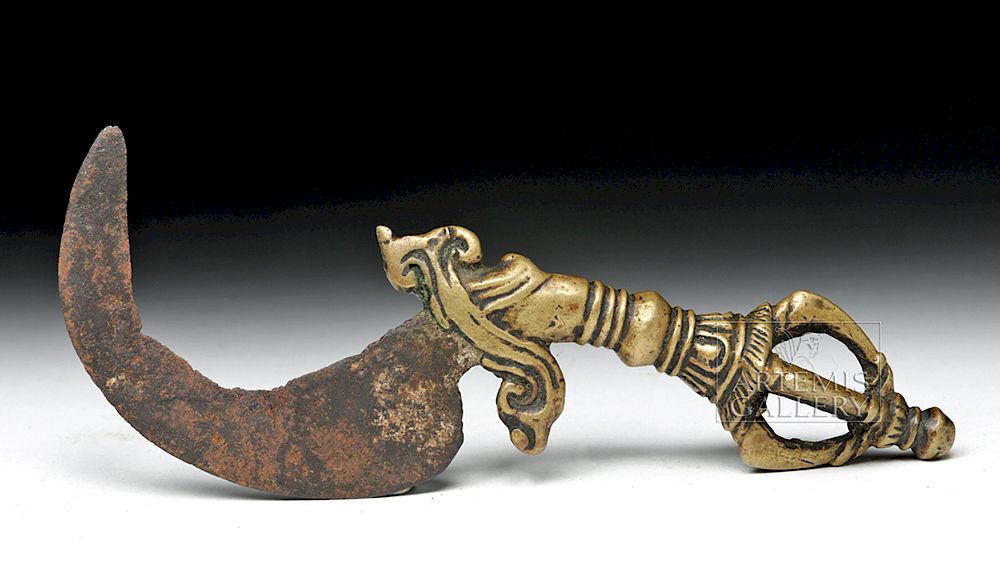
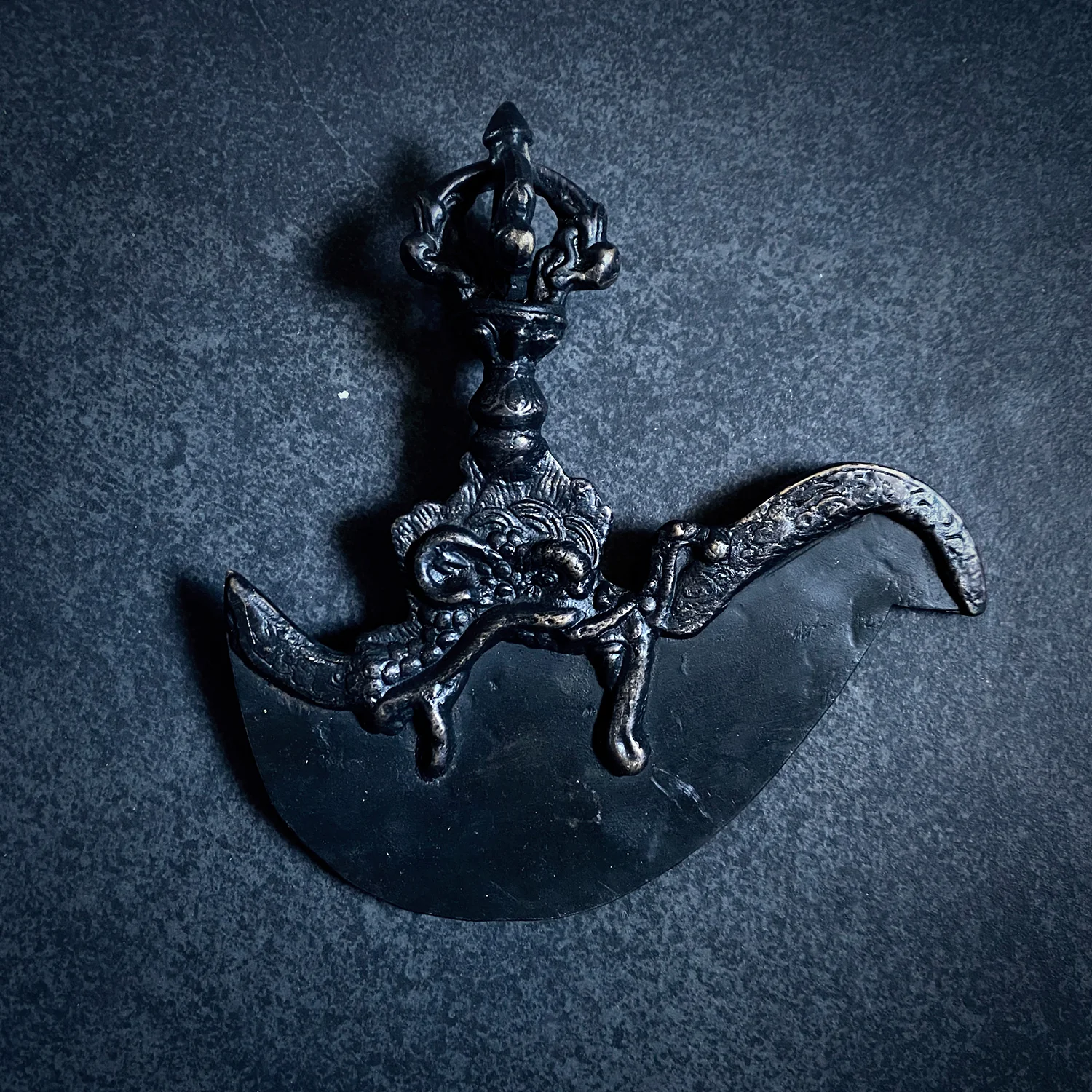
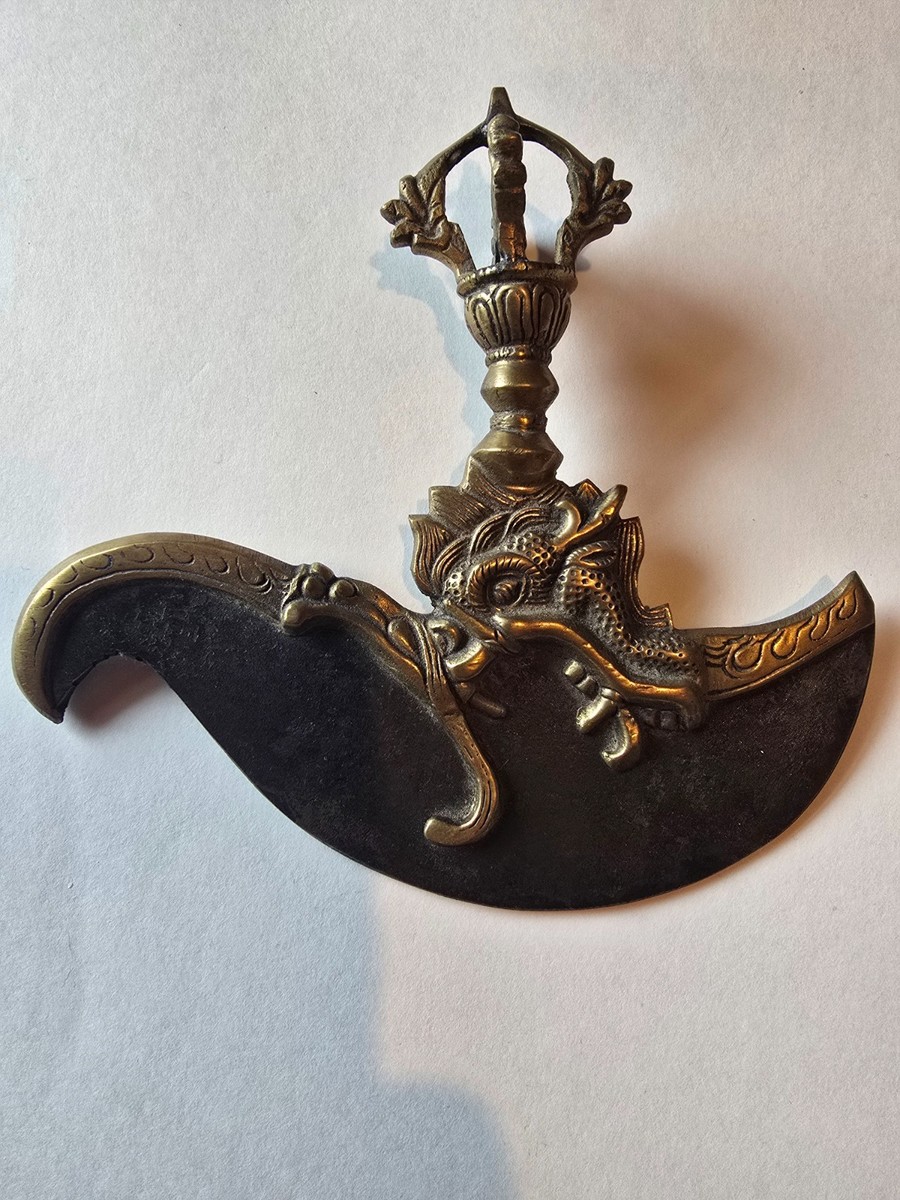
The Kartika, also referred to as Kila, is a ritualistic dagger that appears in various spiritual traditions, particularly in Vajrayana Buddhism and Hindu beliefs. However, the Kartika is not a weapon in the conventional sense. It is a potent symbol representing the act of "cutting off" or "severing" the illusions, attachments, ignorance, and afflictions that bind the human consciousness. In form, the Kartika typically features a curved blade, sometimes intricately carved with sacred symbols, and its handle may be adorned with skulls or other imagery, signifying impermanence and the transient nature of all phenomena.
Origins and Dissemination of the Kartika
The origins of the Kartika can be traced back to ancient Hindu rituals, where it was associated with deities like Shiva (in his Bhairava form) and the goddess Kali, deities embodying destruction and rebirth, breaking down old structures to make way for the new. As Buddhism spread and evolved, especially Vajrayana Buddhism, the Kartika was adopted and integrated into its symbolic system and rituals. Here, it acquired a deeper meaning of eradicating afflictions and achieving liberating wisdom. Spiritual masters utilize the Kartika as a visual tool to guide disciples in recognizing and severing the chains of the ego and attachment to the phenomenal world.
Construction and Symbolic Elements of the Kartika
Each component of the Kartika carries its own distinct symbolic significance:
- The Curved Blade: Symbolizes Prajna wisdom, the ability to see through the nature of all phenomena, cutting through all illusions of independent, solid existence of things. The curvature of the blade also suggests its efficiency in "clearing away" all obstacles.
- The Handle: Often adorned or shaped to evoke different aspects of reality. At times, the handle may be depicted with images of deities or symbols related to the spiritual practice.
- Carvings: Many Kartikas are carved with symbols such as the Vajra (symbol of indestructibility and wisdom), the lotus flower (symbol of purity and non-attachment), or sacred mantras.
- The Skull: Some Kartikas have skull-shaped handles, emphasizing the impermanence of the body, the cessation of life, and serving as a reminder of inevitable death. This encourages practitioners to live fully and strive for liberation.
The Kartika and "Severing the Ego"
The ego, or the "self" (ego), is a central concept in many spiritual philosophies. It is the sense of self as a separate, independent entity with its own desires, fears, and needs. The ego is often the source of attachment, craving, anger, pride, jealousy, and numerous other afflictions. The Kartika represents the power to cut the ties with this ego.
What is the Ego and Why Must It Be Severed?
In most spiritual traditions, the ego is considered an illusion, a mental construct built upon experiences, memories, biases, and the perception of the physical body. It creates the sense of "me" and "mine," leading to the distinction between subject and object, "us" and "them," "liking" and "disliking." This very distinction is the root cause of suffering. When our ego is hurt (through failure or criticism), we suffer. When the ego is satisfied (through success or praise), we rejoice, but this joy is often fleeting and leads to dependency.
Severing the ego does not mean the complete annihilation of self-awareness, but rather the dismantling of attachment to it, realizing that the "self" is not a fixed, unchanging entity. It is the process of dissolving the illusion of an independent and solid self, to realize the nature of Shunyata (emptiness) or the unity with ultimate reality.
The Blade of Wisdom Cuts Through Illusion
The blade of the Kartika, symbolizing Prajna wisdom, possesses the power to cut through the veils of ignorance that obscure the true nature of reality. This wisdom is not ordinary bookish or logical knowledge, but a direct realization of the impermanent, non-self, and empty nature of all phenomena. When this wisdom arises, it will:
- Sever Attachment: The ability to clearly see that everything is transient and lacks a fixed essence, helping us release our clinging to possessions, fame, relationships, and even the concept of self.
- Destroy Ignorance: Shatter the delusion about the true nature of reality, the false beliefs about the existence of an independent self and the material world as the sole reality.
- Annihilate Afflictions: Afflictions such as greed, anger, delusion, pride, doubt, and wrong views all arise from attachment to the ego. When the ego dissolves, the root of these afflictions is also removed.
This process is akin to using a sharp blade to remove a malignant tumor. While it may be painful initially, it is a necessary pain to bring about healing and liberation.
The Handle and the Unification of Elements
While the blade severs, the handle plays a symbolic role in unification and the stability necessary to perform the act of severing. It can represent skillful means (Upaya) or mindfulness that helps the practitioner maintain an unwavering mind amidst the dissolution of the ego. At times, the handle is adorned with symbols of Buddhas or Bodhisattvas, signifying the blessings and support from enlightened beings on this path.
The Kartika as a Tool on the Path to Enlightenment
The path to enlightenment is a long and challenging journey, requiring perseverance, effort, and the right methods. The Kartika, more than just a symbol, can also be used as a supportive tool in the practice, especially in rituals and meditation.
Application in Rituals and Meditation
In Vajrayana rituals, the Kartika is often used by Lamas or yogis to:
- Exorcise and Purify: The Kartika is used to dispel negative energies, mental obstacles, and impurities in space or in the practitioner's consciousness. The blade is visualized as piercing through darkness, bringing clarity.
- Symbolize the Practice: In meditation, practitioners can visualize themselves holding the Kartika and cutting through negative thoughts, afflictive emotions, or ego-attachments. This helps reinforce recognition and severance.
- Pray for Liberation: The Kartika is also used in prayers, wishing for enlightenment for oneself and all sentient beings, by severing the roots of ignorance and suffering throughout existence.
The Role of Accompanying Symbols
Often, the Kartika is not presented alone but is accompanied by other symbols to form a cohesive meaning:
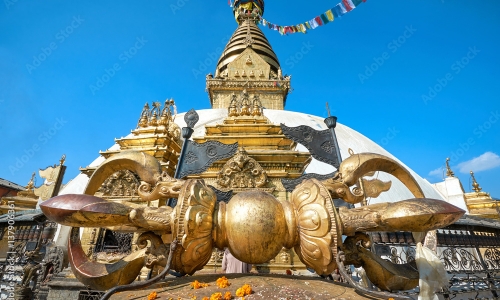
- Phurba and Vajra: When combined with the Phurba (a three-sided ritual dagger), they form a powerful triad of symbols for destruction, purification, and transformation. The Vajra symbolizes skillful means, the Phurba represents transformation, and the Kartika is the wisdom that severs.
- Dharmachakra (Wheel of Dharma): Sometimes the Kartika appears alongside the Dharmachakra, symbolizing the turning of the wheel of Dharma, using wisdom to guide beings on the path of truth.
- Attire of Guardian Deities: The Kartika is one of the ritual implements frequently seen in the hands of Dharmapalas (Guardian Deities) in Vajrayana Buddhism, such as Mahakala, Yamantaka, and Vajrapani. Their presence in the hands of these deities embodies the absolute power of wisdom and compassion in protecting the Dharma and beings from all obstacles.
Correlation with Spiritual Tourism and Voluntourism
Although the Kartika is a profound spiritual symbol, the spirit it represents – liberation from the ego and the aspiration for the benefit of others – has strong parallels with activities like spiritual tourism and voluntourism. When engaging in these activities, we are also gradually letting go of our individual egos and selfish desires to connect with higher values:
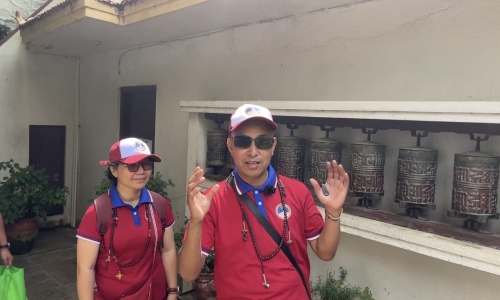
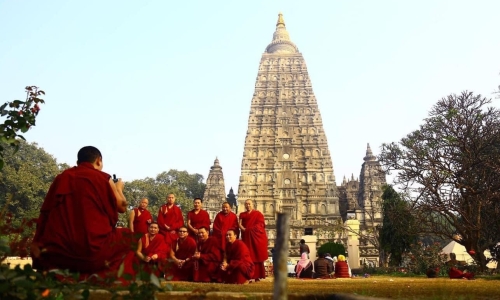
- Spiritual Tourism: This typically involves journeys to sacred lands, visiting ancient sites, and participating in religious ceremonies. The aim is to seek inner peace, gain a deeper understanding of life's meaning, and connect with the divine. This journey requires humility, an open mind, and a willingness to let go of conventional views of the world.
- Voluntourism: This involves trips with the purpose of helping communities, participating in community projects, and supporting those in difficult circumstances. This activity directly challenges the ego, as it demands sacrifice of time, effort, and sometimes material resources for the benefit of others. It helps us recognize the deep connection between all sentient beings and cultivate compassion.
Both forms of tourism offer opportunities to "sever" the limitations of the ego, expand the heart, and nurture enlightened qualities.
The Kartika in the Modern Context and Your Journey
In today's high-pressure modern world, the appeal of the spiritual path and the search for deeper meaning are growing. The Kartika, while not a typical travel souvenir, embodies a spirit that serves as a valuable guide for every journey of discovery.
Seeking Balance and Liberation in a Busy Life
Modern life, with its relentless pace of work, complex relationships, and societal pressures, can easily draw us into the vortex of the ego. We constantly seek recognition, success, and material possessions, often forgetting life's core values. The spirit of the Kartika reminds us of the necessity to:
- Nurture Inner Well-being: Dedicate time for meditation, silence, and reflection to identify and let go of negative thoughts and emotions.
- Live Mindfully: Pay attention to each moment, recognizing the ego's desires and fears without letting them dictate our actions.
- Cultivate Compassion: View all people and things with empathy, understanding, and a desire to bring them benefit.
Dzogchen Travel and the Journey of "Severing the Ego"
At Dzogchen Travel, we understand that the spiritual journey is not confined to rituals but is a process of continuous transformation. With our expertise in spiritual tourism and voluntourism, we aim to provide our guests with meaningful experiences that help you:
- Explore Sacred Lands: Visit holy sites, ancient monasteries, and participate in short retreats in locations with high spiritual energy, helping you calm your mind and connect with your roots.
- Experience Compassion in Action: Participate in voluntourism projects where you have the opportunity to directly help communities, nurture compassion, and feel the joy of giving.
- Let Go of Ego's Burdens: Through our travel activities and guidance from experts, you will have the chance to re-examine your attachments and ego-driven concerns, and find true peace.
We offer a diverse range of services from domestic tours to international tours, including booking flights, hotels, car rentals, obtaining visas, and event organization tailored to your needs. Our experienced and spiritually knowledgeable tour guides will accompany you every step of the way. Specially designed spiritual tourism packages will provide you with the most complete experiences.
Conclusion
The Kartika is a powerful symbol, reminding us of the importance of severing the ego, which is the root of all suffering. This process requires the courage to face illusions, perseverance to practice wisdom, and mindfulness to let go of all attachments. Although not a travel item, the spirit of the Kartika can illuminate every journey, especially on the path of spiritual and voluntourism, where we seek a deeper connection with ourselves, with others, and with the universe.
Let your journey be not just an exploration of the external world, but also a deep dive within, where you can use your "blade of wisdom" to cut through the ties of the ego and move closer to enlightenment.
Contact Information:
DZOGCHEN TRAVEL CO., LTD.
Address: 151-153 Phu Tho Hoa Street, Phu Tho Hoa Ward, Ho Chi Minh City
Hotline: 0833939768
Phone: 0833939768
Email: xuan@dzogchentravel.com
Website: dzogchentravel.com