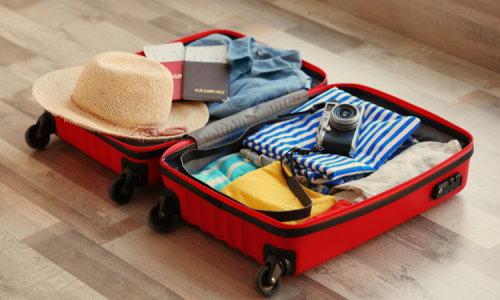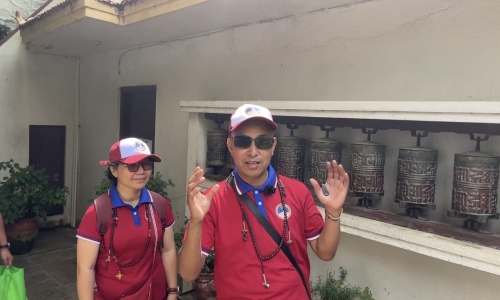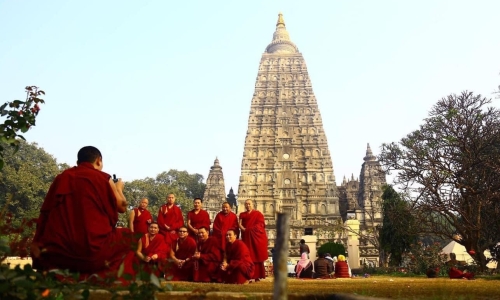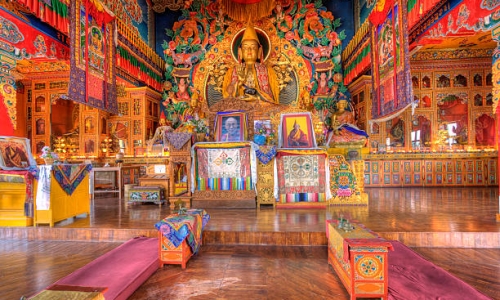


Pilgrimage is a sacred journey, an opportunity to find inner peace and connect with profound spiritual values. However, when this journey spans many days and takes you to a foreign land, maintaining physical and mental health becomes a crucial factor for a fulfilling and meaningful trip. This article will provide useful secrets to help you prepare and overcome all challenges, ensuring your spiritual journey is always filled with energy and blessings.
Comprehensive Preparation Before Departure
Before setting foot in a new land for your pilgrimage, thorough preparation plays a decisive role in your health and comfort throughout the long journey. This is not just about packing luggage, but also a process of preparing both physically and mentally to cope with different conditions and ensure you are in the best state to experience sacred moments.
1. General Health Check-up and Necessary Vaccinations
A pilgrimage, especially in countries with different medical conditions, requires you to have a solid health foundation. A general health check-up before the trip will help you detect and treat any underlying health issues promptly. Your doctor can advise on a suitable diet, exercise regimen, and disease prevention measures.
Simultaneously, researching the necessary vaccinations or inoculations for your destination is extremely important. Some countries may require vaccinations against infectious diseases such as Hepatitis A, Yellow Fever, Typhoid... Completing the vaccination schedule at least 4-6 weeks in advance will give your body enough time to build antibodies and minimize the risk of illness during the trip.
2. Plan Your Nutrition and Supplement Vitamins
Your diet during a pilgrimage can change significantly from your daily routine. Preparing a reasonable nutrition plan in advance will help you maintain energy and health.
Prioritize fresh, easily digestible foods: Research local dishes and choose healthy options, avoiding excessively greasy, spicy, or hard-to-digest foods. If possible, pack some dry, easy-to-preserve foods like nuts, dried fruits, and nutritious grains to supplement when needed.
Supplement vitamins and minerals: Long trips can easily lead to vitamin and mineral deficiencies. Pack multivitamins, Vitamin C, or digestive and immune-boosting supplements. However, you should consult your doctor before using any supplements.
Stay hydrated: This is a golden rule for health. Make it a habit to carry a personal water bottle and drink regularly, especially when traveling or participating in outdoor activities. Use bottled or carefully filtered water to ensure safety.
3. Prepare Medications and a Personal First-Aid Kit
During the journey, accessing medical services can be challenging, so a complete personal first-aid kit is essential.
Prescription medications: If you are managing a chronic illness, ensure you have enough medication for the entire trip, plus a little extra. Carry your doctor's prescription to present to authorities if necessary.
Common medications: Include pain relievers, fever reducers, antihistamines, anti-diarrhea medication, motion sickness medication, antiseptic topical ointments, bandages, various sizes of adhesive bandages, small scissors, tweezers...
Personal medical information: Prepare a small card with your blood type, medical history, drug allergies (if any), and emergency contact information. In the worst-case scenario, this will allow others to assist you promptly.
4. Plan Your Itinerary and Adequate Rest
A pilgrimage often involves multiple travel legs, sometimes consecutively. Planning your travel wisely and ensuring sufficient rest will help you avoid exhaustion.
Book tickets and accommodations in advance: If you are using services like flight tickets, hotels, or car rental services, booking in advance will help you get the best prices and ensure convenience, avoiding sold-out situations or last-minute price hikes. Travel packages are also a cost-effective and convenient option.
Allocate travel time: Avoid packing your schedule too tightly. Allow for rest breaks between travel legs, especially after long flights or extensive walking. If possible, choose comfortable and safe transportation.
Utilize rest time: During rest periods, prioritize getting enough sleep, relaxing, and rejuvenating. Avoid excessive screen time or stressful activities.
Maintaining Health Throughout the Journey
After thorough preparation, maintaining health throughout a long pilgrimage abroad requires proactivity, flexibility, and listening to your body. Small daily habits will make a big difference, helping you overcome challenges and fully embrace the spiritual significance of your trip.
1. Focus on Daily Nutrition
Nutrition is the solid foundation of health. When on a pilgrimage, you may encounter unfamiliar foods or less-than-ideal dining conditions, making nutrition even more crucial.
Eat regularly: Try to eat three main meals, even if they are small portions. Avoid skipping meals, especially breakfast, as it provides the initial energy for the day. If you're not accustomed to local food, look for familiar dishes or those with similar ingredients.
Prioritize clean and safe food: Always choose restaurants or stalls that appear clean and are frequented by locals. Limit street food if you are unsure about its origin and preparation. Fruits and vegetables should be washed with bottled water or a diluted saline solution.
Carry snacks: Nuts, dried fruits, whole-grain crackers, or energy bars are excellent choices for replenishing energy between meals, especially when traveling or engaging in extended activities.
2. Maintain Personal Hygiene
Good personal hygiene is the most effective way to prevent infectious diseases, especially gastrointestinal and respiratory illnesses.
Wash hands frequently: This is the golden rule. Wash your hands with soap and clean water before each meal, after using the restroom, and after touching public surfaces (handrails, door handles...). If soap and water are unavailable, use an alcohol-based hand sanitizer.
Protect your health when eating and drinking: Only drink bottled water or boiled water. Avoid ice cubes if you are unsure of the water source. Be cautious with raw or undercooked foods.
Maintain your surroundings: Limit contact with sick individuals. If you feel unwell, wear a mask to protect others.
3. Listen to Your Body and Rest Adequately
The human body has its limits. Listening to your body's signals is a smart way to avoid exhaustion and illness.
Get enough sleep: Aim for 7-8 hours of sleep per night. If sleep is disrupted due to jet lag or an unfamiliar environment, find ways to relax before bed, such as reading, listening to soft music, or meditating...
Intersperse rest: Don't try to walk or engage in activities continuously for many hours. Schedule short breaks for your body to recover. If you feel tired, sit down, close your eyes, and take deep breaths.
Avoid excessive stress: Pilgrimage is a journey to find peace, so try to maintain a relaxed state of mind. Avoid negative thoughts and excessive worries about things you cannot control.
4. Moderate Exercise and Recovery
While pilgrimage itself is a form of exercise, maintaining gentle exercises and recovery methods will help your body stay flexible and reduce aches and pains.
Light walking and hiking: If your itinerary includes long walks or hikes, prepare your physical fitness and gradually increase the intensity. Listen to your body and don't push yourself too hard.
Stretching exercises: After extensive movement, gentle stretching exercises will help reduce soreness, improve blood circulation, and prevent cramps. Focus on major muscle groups like legs, back, and shoulders.
Relaxation: Meditation, yoga, or deep breathing techniques can help you relax both physically and mentally, reduce stress, and enhance focus.
5. Dealing with Climate and Environmental Changes
Pilgrimage sites are often located in regions with climates and environments different from where you live, requiring adaptation and precautions.
Sun protection: Use sunscreen with a high SPF, wear a wide-brimmed hat, sunglasses, and protective clothing, especially when outdoors in the sun. Carry a facial mist to soothe your skin.
Cold protection: If you are pilgrimaging to a cold region, dress in layers to easily adjust to the temperature. Bring a hat, scarf, gloves, and warm, waterproof boots.
Altitude sickness: If your destination is at a high altitude, allow your body time to acclimatize gradually. Avoid strenuous activity in the first few days, drink plenty of water, and limit alcohol consumption.
Impact of pollution: In large cities, air pollution can affect the respiratory system. Bring a dust mask, especially when traveling in densely populated or high-traffic areas.
Mental Health Care
In addition to physical health, maintaining mental balance throughout a long pilgrimage is extremely important. This journey is not just an exploration of the external world but also an inner journey where you seek tranquility and self-understanding.
1. Maintain Spiritual Connection
Pilgrimage is inherently linked to spirituality. Dedicate time each day to deepen your connection with the purpose of your trip.
Meditation and prayer: Wherever you are, you can dedicate 10-15 minutes daily to meditate, take deep breaths, calm your mind, and reflect on your experiences. Praying according to your faith is also a way to seek peace and guidance.
Read scriptures or spiritual texts: Carrying your favorite books or prayers can provide comfort and enlightenment during quiet moments.
Participate in activities at pilgrimage sites: If possible, join ceremonies, rituals, or group activities at spiritual sites. Sharing and connecting with like-minded individuals can bring positive energy.
2. Manage Stress and Pressure
A long trip, cultural differences, language barriers, or unexpected challenges can cause stress. Learning to manage them is key to maintaining balance.
Recognize and accept: Recognize when you feel stressed and accept that it is normal during a long journey. Don't blame yourself.
Apply relaxation techniques: Deep breathing, listening to soft music, journaling, or simply sitting and enjoying the scenery to let your mind relax.
Stay connected with loved ones: If possible, take time to call or message family and friends to share and receive encouragement. However, don't let this consume too much time and detract from your pilgrimage experience.
3. Create Private Space
In a group setting, having private space to recharge is very important.
Find quiet moments: Whether it's sitting alone in a corner of your room, taking a solo walk in the early morning, or finding a peaceful spot to enjoy the view, create these "private" moments for yourself.
Bring personal items: A small pillow, a light blanket, or familiar items can help you feel more comfortable and secure in a new environment.
4. Be Flexible and Adaptable
A pilgrimage rarely goes exactly as planned 100%. Flexibility and adaptability are key to not being thrown off by changes.
Accept the unexpected: Treat changes and minor incidents as part of the experience. Sometimes, unexpected events bring valuable lessons.
Maintain a positive attitude: Even when facing difficulties, try to maintain an optimistic outlook and seek solutions rather than complaining.
5. Record Meaningful Moments
Recording your experiences, emotions, and reflections throughout the journey can help you consolidate lessons learned, cherish past moments, and gain self-insight.
Journaling: Dedicate a little time each day to write down what you've seen, felt, the lessons you've learned, or simply random thoughts.
Take photos or videos: Capture beautiful scenes and meaningful moments. However, balance recording memories with living fully in the present.
Conclusion
A long pilgrimage abroad is a memorable experience, offering an opportunity to reconnect with your spiritual roots and explore yourself. Thorough preparation and sustained physical and mental health throughout the journey will help you overcome all challenges, fully enjoy every moment, and reap the deepest values. Remember, health is wealth, and on the path to seeking peace, you yourself are the most steadfast anchor.
If you are looking for support services for your pilgrimage, from booking tours, flight tickets, hotels, or other services like visas and tour guides, please contact DAI TOAN THIEN DZOGCHEN TRAVEL CO., LTD. We are always ready to accompany you and provide you with the best experiences.
Contact Information:
DAI TOAN THIEN DZOGCHEN TRAVEL CO., LTD
Address: 151-153 Phu Tho Hoa Street, Phu Tho Hoa Ward, HCM City
Hotline: 0833939768
Phone: 0833939768
Email: xuan@dzogchentravel.com
Website: dzogchentravel.com