

Nepal, a sacred land where ancient cultures and profound spirituality converge, has always been a dream destination for travelers worldwide. Upon arriving at ancient temples, repositories of millennia of history and spiritual value, adhering to codes of conduct and essential etiquette not only demonstrates respect for the local culture but also ensures your journey is smooth and meaningful. This article provides detailed and useful information on the "vital" considerations when visiting ancient temples in Nepal, helping you avoid regrettable mistakes and have a complete travel experience.
The Importance of Adhering to Rules When Visiting Ancient Temples in Nepal
Nepal is a nation with a rich history and culture, especially in the realm of spirituality. Ancient temples in Nepal are not just exquisite architectural marvels but also important centers of faith where many sacred religious rituals take place. Therefore, understanding and adhering to the rules of conduct when visiting these sites is extremely necessary. It shows respect for the local culture and beliefs, and helps preserve the value of these cultural heritages for future generations. A thoughtless or uninformed action can lead to unintended consequences, affecting both personal experiences and the wider tourism community.
Essential "Do's and Don'ts" to Master
1. Attire: Reverent and Modest
Your attire is the first and most crucial factor to consider when visiting any temple or monastery in Nepal. Most religious sites require visitors to dress respectfully and modestly to show deference.
Specific dress code guidelines include:
- Avoid wearing overly short or revealing clothing: Absolutely do not wear shorts, mini-skirts, tank tops, off-the-shoulder tops, low-cut tops, or any attire that exposes too much skin. It's best to opt for long pants or skirts that fall below the knee, and tops with sleeves that cover your shoulders.
- Avoid clothing with offensive images: Do not wear clothing with vulgar, violent images, or designs that are insulting to religion or beliefs.
- Carry a scarf: A large scarf is an extremely useful accessory. You can use it to cover your shoulders or head when necessary, especially when entering more sacred areas within the temple.
- Maintain neatness: Your clothes should be clean and not wrinkled. This demonstrates your tidiness and respect for the sacred space.
2. Footwear: Remove Shoes Before Entering
This is a rule common to almost all temples, pagodas, and monasteries worldwide, and Nepal is no exception. Removing your shoes before entering the main sanctuary, worship areas, or designated sacred zones is an act of reverence.
Important notes:
- Find designated shoe-leaving areas: Most temples have specific areas, often shelves or mats, for visitors to place their footwear. Please find and use these designated spots.
- Do not wear shoes inside: Absolutely do not wear shoes inside areas with signs or where others have removed theirs. This can be considered a serious disrespect.
- Go barefoot or wear socks: After removing your shoes, you will walk barefoot or can wear a pair of clean socks for walking.
- Secure your belongings: Keep an eye on your shoes, avoid mixing them with others', or having them misplaced. It's best to bring a small bag to carry your shoes if possible.
3. Attitude and Behavior: Gentle and Polite
Temple grounds are sacred spaces that require tranquility and respectful attitudes from visitors. Noisy or disruptive behavior will disturb the solemn atmosphere and may bother those who are performing rituals or praying.
Things to avoid:
- Talking or laughing too loudly: Maintain a soft voice, whisper if you need to communicate. Avoid laughing, shouting, or making loud noises.
- Running and playing: Especially for children, remind them to remain quiet and walk carefully.
- Eating or drinking in sacred areas: Unless permitted, eating, smoking, or chewing gum within temple precincts is inappropriate.
- Touching idols or religious objects: Unless explicitly allowed or instructed, do not touch statues of deities, altars, or other religious artifacts.
- Littering: Maintain cleanliness and dispose of trash in designated bins.
4. Photography and Videography: Be Cautious and Respectful
Nepal boasts many beautiful sites, but when photographing ancient temples, you must adhere to specific regulations to avoid disturbing or offending religious sentiments.
Photography rules:
- Check signage: Always pay attention to "No Photography" signs. Many areas inside temples, especially those with idols or precious artifacts, are often restricted for filming and photography.
- Ask permission to photograph people: If you wish to photograph local people, especially those praying or monks, ask for their permission first. Many people do not wish to be photographed, particularly when engaged in religious activities.
- Avoid using flash: Flash can damage ancient artifacts or disturb people around you.
- Maintain distance and respect: Even when photography is allowed, keep a reasonable distance, avoid disturbing or drawing attention. Do not use cameras or phones as tools to bother others.
5. Gifts and Donations: Meaningful and Proper
Offering gifts or making donations is a way to express devotion and support temple preservation efforts. However, this should be done meaningfully and appropriately.
Notes on giving gifts and donations:
- Use cash: If you wish to make a monetary donation, please use cash.
- Place in donation boxes: Most temples have donation boxes placed in visible locations. Discreetly place your contribution there.
- Avoid giving money directly to monks or temple staff: Unless specifically instructed, giving money directly may be considered impolite.
- Gifts: If you wish to offer a gift, choose items that are symbolic, practical, and not overly ostentatious. For example: religious items, books, or school supplies for children (if there are programs).
- Avoid giving money to street children: If you encounter beggars or street vendors in front of temples, instead of giving cash, consider buying something or donating to local charities.
6. Maintain Purity: Do Not Bring Alcoholic Beverages
Nepal is a country with many religions, with Buddhism and Hinduism being the majority. According to the beliefs of many of these religions, consuming alcoholic beverages, especially in sacred spaces, is strictly forbidden.
Rules regarding alcohol:
- Absolutely do not bring or consume: Do not bring any alcoholic beverages into temple, monastery, or religious site premises.
- Avoid drinking alcohol before entering temples: Even if you don't bring it in, consuming alcohol beforehand can be considered disrespectful.
- Check local regulations: Some areas around major temples may have specific rules regarding the consumption of alcohol. Investigate carefully to avoid violations.
7. Respect Religious Ceremonies
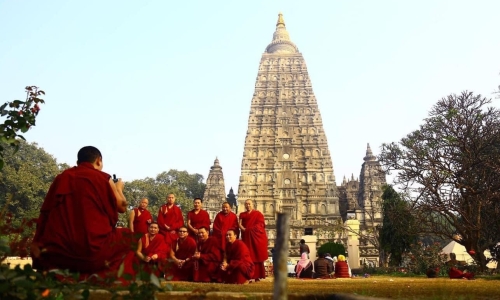
Ancient temples in Nepal frequently host ceremonies, prayer sessions, or other religious activities. Visitors must behave respectfully and avoid disruption.
How to behave during ceremonies:
- Observe from a distance: If you see a ceremony in progress, observe from a distance, avoiding crowding or attempting to get too close.
- Remain silent: Maintain absolute silence, do not talk or make noise that disrupts the ceremony.
- Do not walk in front of: Avoid walking directly in front of people performing rituals or monks chanting.
- Learn and understand: If possible, seek information about these ceremonies from tour guides or reputable sources to better understand their significance.
8. Respect Beliefs and Symbols
Every symbol and every idol in ancient temples carries profound religious meaning. Understanding and respecting them is essential.
Do's and don'ts:
- Do not deface or damage: Absolutely do not write, draw, or deface statues, temple walls, or religious symbols.
- Do not step on: Avoid stepping on offerings, or decorative items of religious significance.
- Respect symbols: Understand that each symbol and image has its own meaning. Avoid disrespectful actions, such as pointing at symbols with your feet or disregarding offerings.
- Learn the meaning: If you have the opportunity, learn about the meaning of symbols and deities to gain a deeper insight into the local culture and beliefs.
9. Special Notes for Visiting Pashupatinath Temple
Pashupatinath Temple is one of the holiest Hindu temples in the world, attracting millions of devotees and visitors each year. However, it also has specific rules and customs that visitors must pay special attention to.
Key points to note at Pashupatinath:
- Only Hindus allowed in the main sanctuary: If you are not Hindu, you will not be permitted to enter the main sanctuary of the temple. However, you can still explore the surrounding area, admire the architecture, and observe activities by the Bagmati River.
- Bagmati River banks: This is where traditional Hindu cremation ceremonies take place. Witnessing these ceremonies can be a profound cultural experience, but you must maintain a respectful attitude, keep your distance, and avoid casual photography.
- Attire: The requirement for modest, respectful clothing is even more critical in a sacred place like Pashupatinath.
- Beware of people approaching: In the areas surrounding the temple, you may encounter many people approaching to beg, sell souvenirs, or offer services. Maintain a polite but firm refusal if you are not interested.
10. Respect Diverse Cultures (Buddhism & Hinduism)
Nepal is a place where Buddhism and Hinduism harmoniously coexist. When visiting, you will encounter both belief systems. Understanding and respecting their differences as well as their commonalities is very important.
Notes on understanding religious diversity:
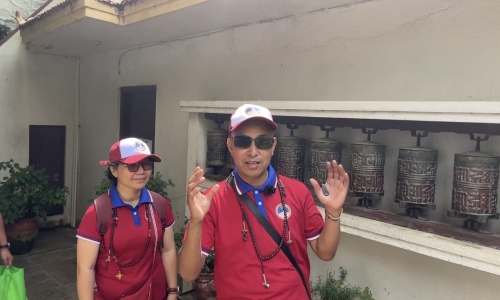
- Differentiate temples: Recognize the differences between Hindu temples (often with many idols, lingams, and altars) and Buddhist monasteries/temples (often with stupas, prayer wheels, and Buddha statues).
- Learn from locals: If you have the chance, converse with local people, monks, or guides to gain a deeper understanding of the beliefs.
- Do not compare or judge: Avoid comparing the two religions or making negative judgments about either. Approach with a spirit of learning and openness.
- Respect ceremonies: Buddhist and Hindu ceremonies can differ. Observe and learn with a respectful attitude.
Tips for a Complete Spiritual Travel Experience in Nepal
In addition to mastering the etiquette, to have a truly meaningful and memorable trip to Nepal, visitors should also prepare the following:
1. Thorough Preparation Before the Trip
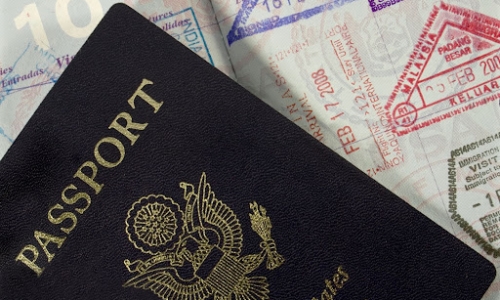
Research Nepal's culture, history, and customs thoroughly. Plan your itinerary in detail, book flights, accommodation, and necessary services. Ensure you have all your identification documents and visa (if required).
2. Hire a Local Guide
A local tour guide knowledgeable about the culture, history, and etiquette will be an excellent companion. They will not only help you avoid unnecessary mistakes but also share interesting stories, enabling you to understand Nepal more deeply.
3. Actively Learn and Observe
Be open and willing to learn. Observe how local people behave, participate in activities (if permitted and appropriate), and try to immerse yourself in the cultural atmosphere.
4. Maintain a Positive and Patient Attitude
Spiritual travel sometimes requires patience, especially when you have to wait, follow rules, or encounter things different from your own culture. Always maintaining a positive attitude will help you overcome any difficulties and fully enjoy your journey.
5. Record and Share Your Experiences
Record beautiful moments and meaningful lessons from your trip. Share your experiences with friends and family to spread the beauty and value of Nepal.
Conclusion
Visiting ancient temples in Nepal is a precious opportunity to explore the rich cultural and spiritual heritage of this country. Adhering to etiquette and showing respect is not only a tourist's obligation but also a way to gain authentic, meaningful, and memorable experiences. Prepare well, maintain an open attitude, and always respect the local culture, and you will have a journey of blessing and peace in Nepal.
Contact Information:
DZogchen Travel Co., Ltd.
Address: 151-153 Phu Tho Hoa Street, Phu Tho Hoa Ward, HCMC
Hotline: 0833939768
Phone: 0833939768
Email: xuan@dzogchentravel.com
Website: dzogchentravel.com